
A Chain is Only as Strong as Its Weakest Link
For many years, my extended Connecticut family has shared in
an October multi-generational tradition. We choose a weekend before Halloween
to go pumpkin picking together. We take a hayride, select our squash, and head
home for some communal carving.
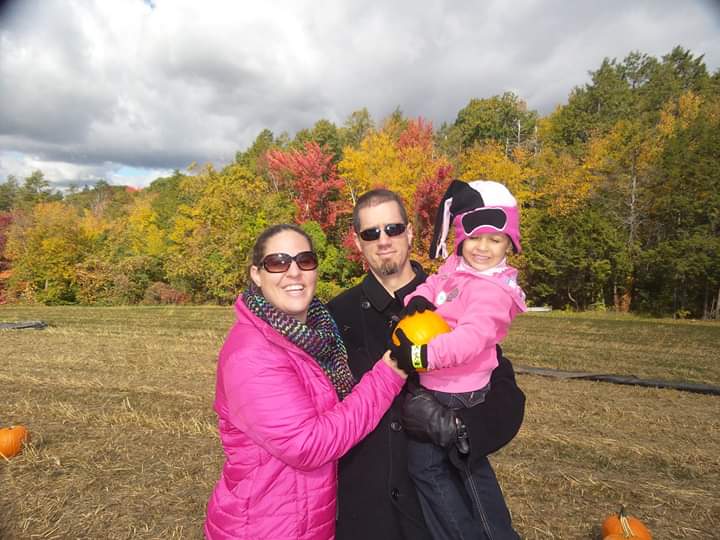
These Pumpkin Pickin’ Days hold my fondest childhood memories.
Once we finished carving and cleaned up all of our “punkin guts,” we’d reluctantly
pose for the annual impromptu Jack-O-Lantern photo session. Then we kids went
straight outdoors to enjoy the weather perks of a New England autumn. When we
inevitably became bored with jumping in our pathetically-tiny leaf piles, we
would convince the adults to join us outside. This is how I learned about the
classic yard game called Red Rover.
For anyone unaware of the rules of Red Rover:

There are two teams with equal amounts of players who line
up, facing each other, on either end of a designated area in the yard (about 20-30
feet apart). Everyone on one team huddles up and discusses who on the other
team will be called out. The team then holds hands (or links arms) in a line to
create a human chain. The team calls over the agreed-upon member of the
opposing team by shouting in unison, “Red Rover, Red Rover. Send __[name]__
right over.”
Whoever is called out, must run full-force from their team
line, attempting to break through the other team’s arm chain. If they break through, they get to go back to
their original team with their choice of one of the two “links” they were able
to disconnect. If they cannot break
through, they are absorbed into the opposing team. They are now a new link in that team’s chain
and the other team can take a turn to call out “Red Rover, Red Rover.”
At its best Red Rover is a nostalgic all-ages playground
game, full of running, play-wrestling and giggling. It holds a special place in
the memories of many who played it with family and friends. At its worst, Red
Rover is a game that preys the weaknesses and vulnerability of others in the
guise of fun.
This game truly exemplifies the concept “a chain is only as
strong as its weakest link” and then exploits it. One team tries to unanimously
pick who they believe to be the weakest runner.
That person’s strategy is to determine where they should attempt to
break through, subconsciously picking who they assume is the weakest connection
of the bunch.

I visit this chain analogy
often with our Afterschool program staff team; not to exploit any weaknesses we
may have, but to acknowledge their existence and embrace the opportunities we
have to strengthen them together.
We aren’t here to huddle up and call out the weakest, making
them feel less-than. We aren’t here to make ourselves look tough by running
through who we perceive to be the weakest. As a team we can work together to
add strength to any weak links we encounter. We can find ways to support one
another.
An Afterschool leader’s role is to be the guide in this, to help strengthen links (staff members) and create a chain (staff team) that goes unbroken.

Building genuine empathetic relationships with one another is the first step in forging that strong chain, creating the ties that bind. Every interpersonal interaction is an opportunity to build a meaningful relationship with the people you work with in your afterschool program. Take advantage of all these opportunities.
Often times, we make the excuse of not having enough time to
effectively do this. Most afterschool programs are about three hours per day
and a majority of that time is spent interacting with the students, not with
each other. So, when are some intentional times you can set aside to focus on
purposeful relationship building with your team?
Staff Training
Dates:
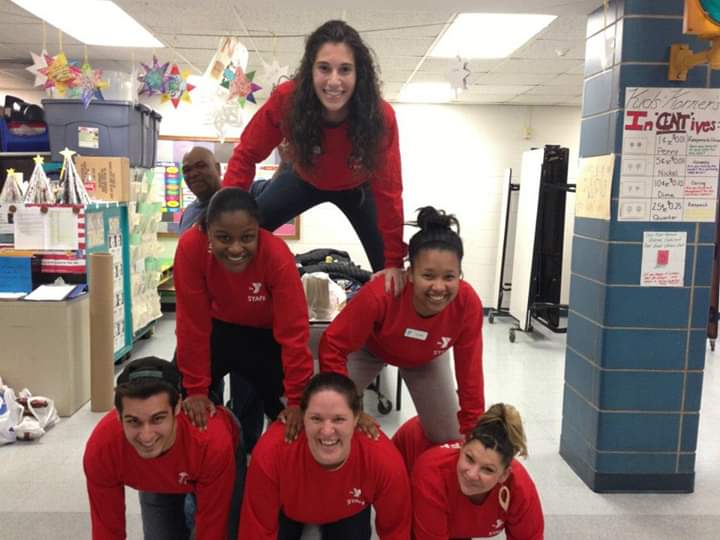
When mandatory training times are available, be sure to
provide opportunities for your site staff to meet and interact. This can be at
the initial summer training before the afterschool program begins and at the
trainings throughout the school year.
Have the team sit together through these workshops and share
the experience of learning (and relearning) as a team. It may not always seem
so, but group training events are a great time to strengthen bonds and make
memories.
If there are team-building challenges built into the
training experience they will be able to distinguish their roles within the
group. This casual group dynamic exercise will translate into their roles on
the team at the site level, helping them to understand each other better.
Also, if you have the chance to provide outside training
opportunities for your staff, take advantage of them. They will bond through
the experience. They will be able to network with other afterschool
professionals and bring skills back to the team.
New Staff
Orientation:
At hire, be sure to provide your new staff team member with
an orientation to your site; materials, locations, procedures, and
expectations. Introduce them to all the other site staff, as well as school
building staff that they will be working with and around. Be sure to share
general information without overwhelming a new hire, but let him/her know that
you are available for any questions or concerns that may arise.
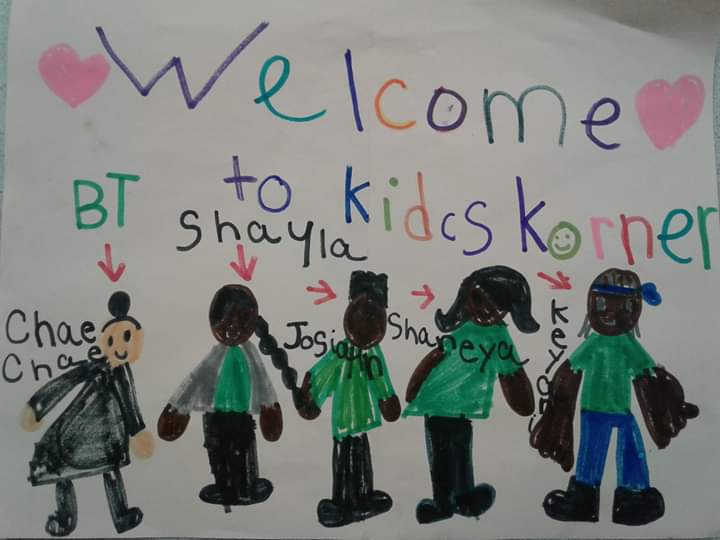
Let them know they will be learning more along the way and
that the other staff members are a valuable resource to them as well. Involve
the current staff team members in showing new hires the ropes. They shouldn’t just be learning from you
alone. Show that you have trust in the
abilities of the team to complete tasks and share important information with
the new team member.
Weekly Check Ins:
Set aside a day each week where you can meet with your staff
team members individually. Check-ins should be about five-ten minutes and be a
time to chat about their needs. The best time for this is towards the end of
the day, when several children have gone home and ratios are low. Preface the
purpose of the check-in as “Questions, Concerns, Criticisms, and
Compliments.” This is not a time for you
to dictate information. Ask him/her to share how they think their week has
gone. Provide your insights only after they have shared with you first.
Monthly Site Staff
Meetings:
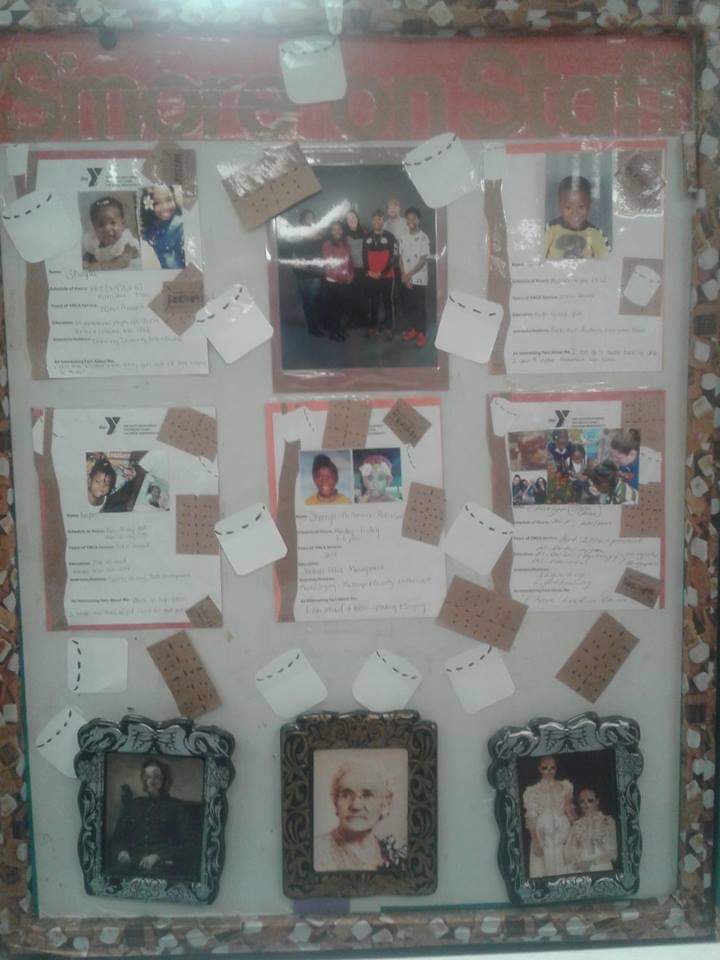
We are fortunate to be allotted one hour per month to hold
site staff meetings. This is the most
beneficial time to learn about each other, individually and as a group. This extended period of time allows for some
very meaningful work to be done. Some examples of activities include creating Staff
Sheets (see picture), completing Self Evaluations and Interest/Skill
Inventories, and the participating in The Staff Team Chain Activity (included
in this blog) etc.
Find a time that works best for your entire team. Some staff prefer to meet before a shift; some after. Also finding various venues for your Monthly Site Staff Meeting is a good way to get out and about with your team. Make sure that times and locations are suitable for all members of the team first.
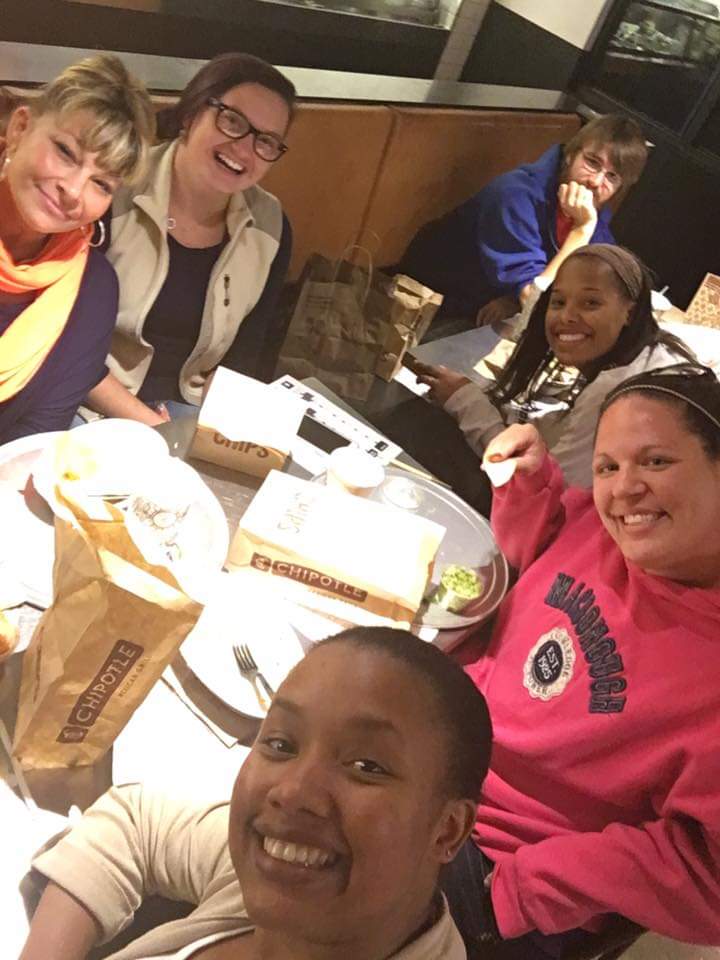
Communication is key to coordinating a meeting time/place
that all can attend. If a member of the team cannot attend, be sure to provide
them with information missed. Have an agenda with talking points that can be
relayed by you or another member of the team.
Staff Evaluations:
Most programs have designated times for staff evaluations (for us, it is mid-year and end-year). Take full advantage of these times. Fill out your evaluations with intention. This is a great time to talk about skills, strengths and struggles in a constructive manner. I like to give staff members a blank evaluation to fill out about themselves while I fill one out for them. Then we can discuss any commonalities or discrepancies.
Evaluation time is also a great time to discuss personal
development with your team members. What
are your staff team member’s goals, personally and professionally? How can you help them in that journey? How
can you guide them through their struggles and celebrate their strengths?
Mini-Multitasking
Moments:
Setting up snack together?
While you pour the juice and they set out the graham crackers, strike up
a conversation. Rolling out rugs together? As you are straightening out the
non-slip mats and they are cutting off straggly corner strings, strike up a
conversation. Cleaning out a cabinet together?
…are you seeing the trend?
Don’t ever underestimate mini multitasking moments! They exist throughout your day and can
provide you with a lot of insight into your team members, personally and
professionally. I learn the most about
the people I work with while walking out to our cars at the end of the day.
Good Night Car Convos are honest and raw and an excellent way to gauge how you
all would interact outside of the work space.
Staff Outings:
Speaking of “outside of the workspace”…Seek out
opportunities for your staff team to interact outside of your program. In the past, we have gone out to eat,
bowling, rollerskating, etc. These types of activities are not mandatory, and aren’t
suggested as such, because they are not paid for by our organization. If you
are planning a staff outing like these, be sure that no one is excluded.
Other work-sponsored events like holiday parties, birthday
parties, self-care opportunities, paint nights etc. are also good chances to
meet outside of the program space. Encourage your staff team to attend these
larger events. There may even be
organization events, like Halloween parties or other family events. Encourage
your team to participate. It helps create camaraderie among co-workers.
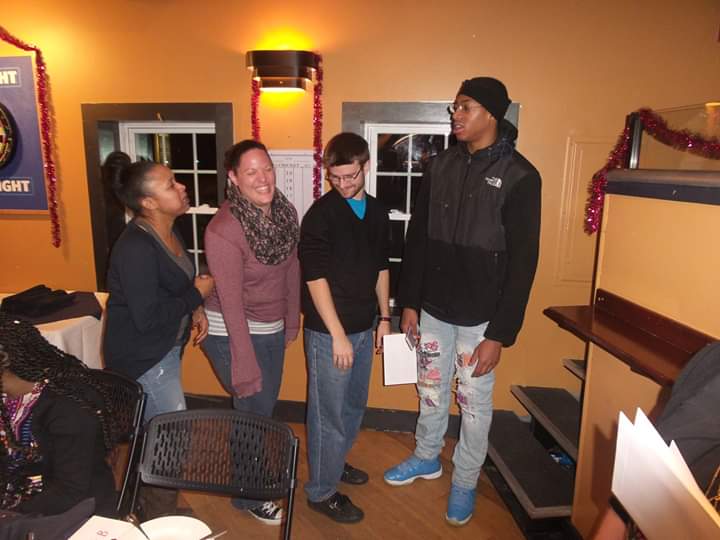


I would also suggest looking into community resources for
ideas for staff outings. There are a lot of free services and activities
happening locally that you can take advantage of with your staff team. Your
local library, Community Health Center, and other community organizations offer
plenty of these opportunities, you just have to look. Check their websites or look out for fliers.

For instance, this past December, our local Community Health
Center was providing free professional photo sessions for the holidays. So, we
planned what color outfits to wear and met up on a Saturday morning. The photo
shoot didn’t take more than 5 minutes, but the laughter and silliness further
solidified the links we were forging with one another. The pictures came out great! They are framed
and displayed in our program’s Staff Sheet Area and Parent Sign In/Out Area.

Just as a chain’s links are forged in metal, a staff team should be forged in mettle. The links of your chain can be strengthened by
the effort you put in or weakened by the lack of effort you show. Forge a
strong chain and you will witness the benefits in yourself, your team, program
participants and their families, the program, the organization and more.
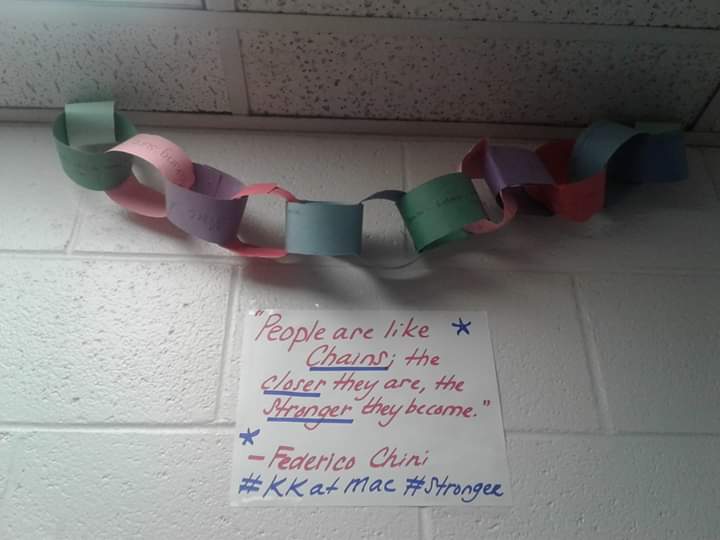
Click here to access The Staff Team Chain Activity, a hands-on activity to guide your staff team through constructively recognizing their own personal strengths and struggles and supporting each other’s strengths and struggles professionally. It also provides your team with some dual purpose décor for your program environment.

Chaelyn Lombardo is the Site Director for the Middlesex YMCA’s Kids’ Korner Before and Afterschool Program at Macdonough School in Middletown, CT since 2006.


